🌱ff

Shabani's Farm

Every dollar, receipted.

Chiotcha Village · Mwanza, Malawi
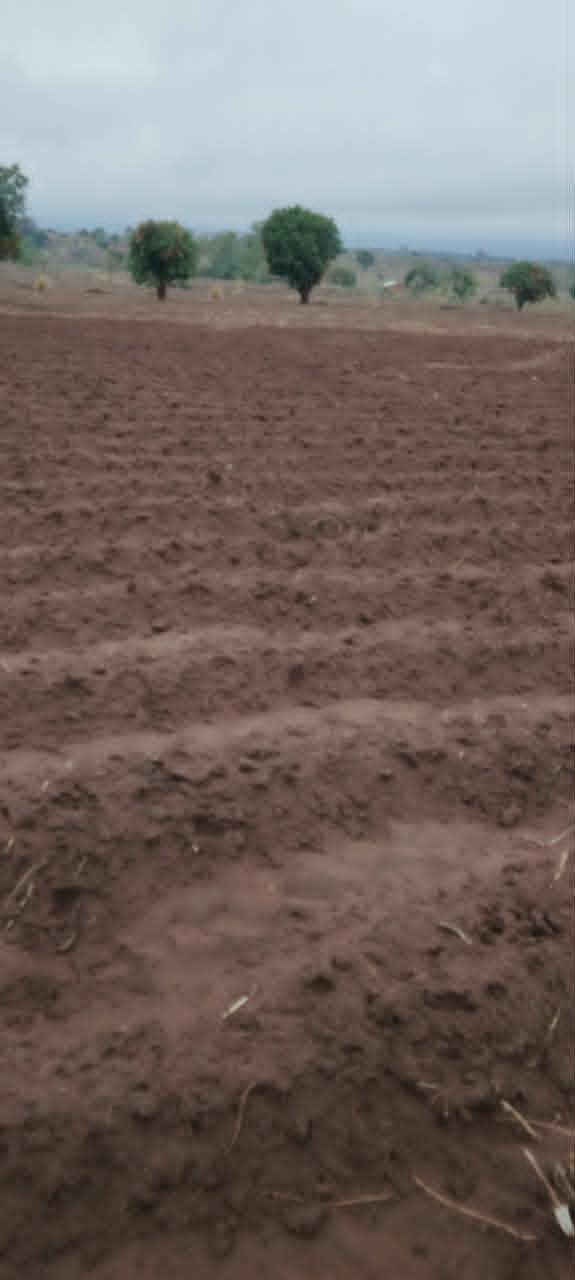
Preparing

Nine plots of crops and a growing herd of goats, one farmer you can name. Tap a plot or a goat to step in. When a need is funded, Shabani buys it and the receipt lands there.

FarmFund for iPhoneComing soon to the App Store
M1M2M3G1G2G3P1P2P3
This season · Prepare (Sep–Oct)
$0of $234 for the farm

Needed by October 31. The rains don't wait.

6 of 9 plots have a steward, 3 paid from the farm's own proceeds.

Pick a plot · $100
Goat house · comingGoat 01Goat 02Goat 03Goat 04Goat 05Goat 06Goat 07
Bring home the first goats
$0of $350 to bring them home

Shabani is starting with 7 goats, MK 80,000 each. $50 adopts one: it buys the goat and covers the fees, you choose the name, and the real photo arrives the day your goat comes home.

0 of 7 adopted.

Adopt a goat · $50

Swipe the farm to switch between the fields and the goats.

Pick a plot

3 of 9 plots are open this season. Steward one for $100: fund its needs, watch it grow, get every receipt. Your name goes on the map.

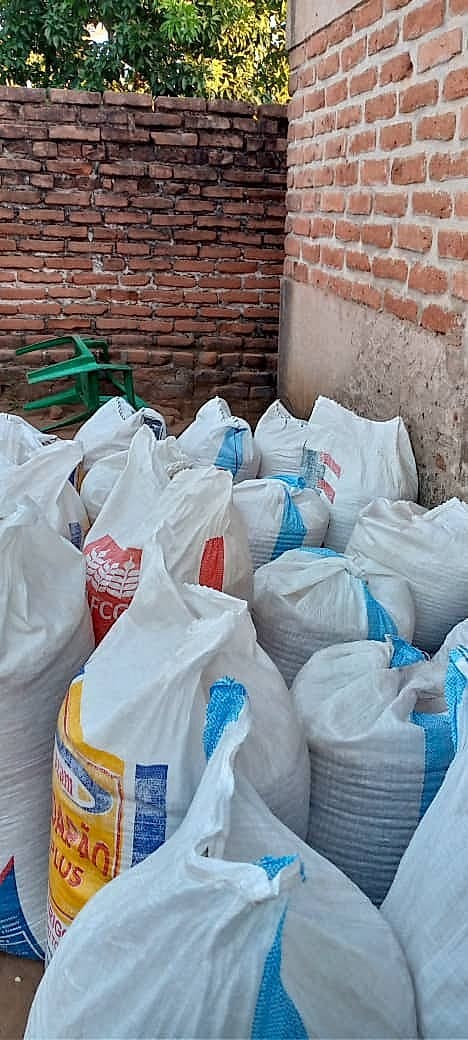
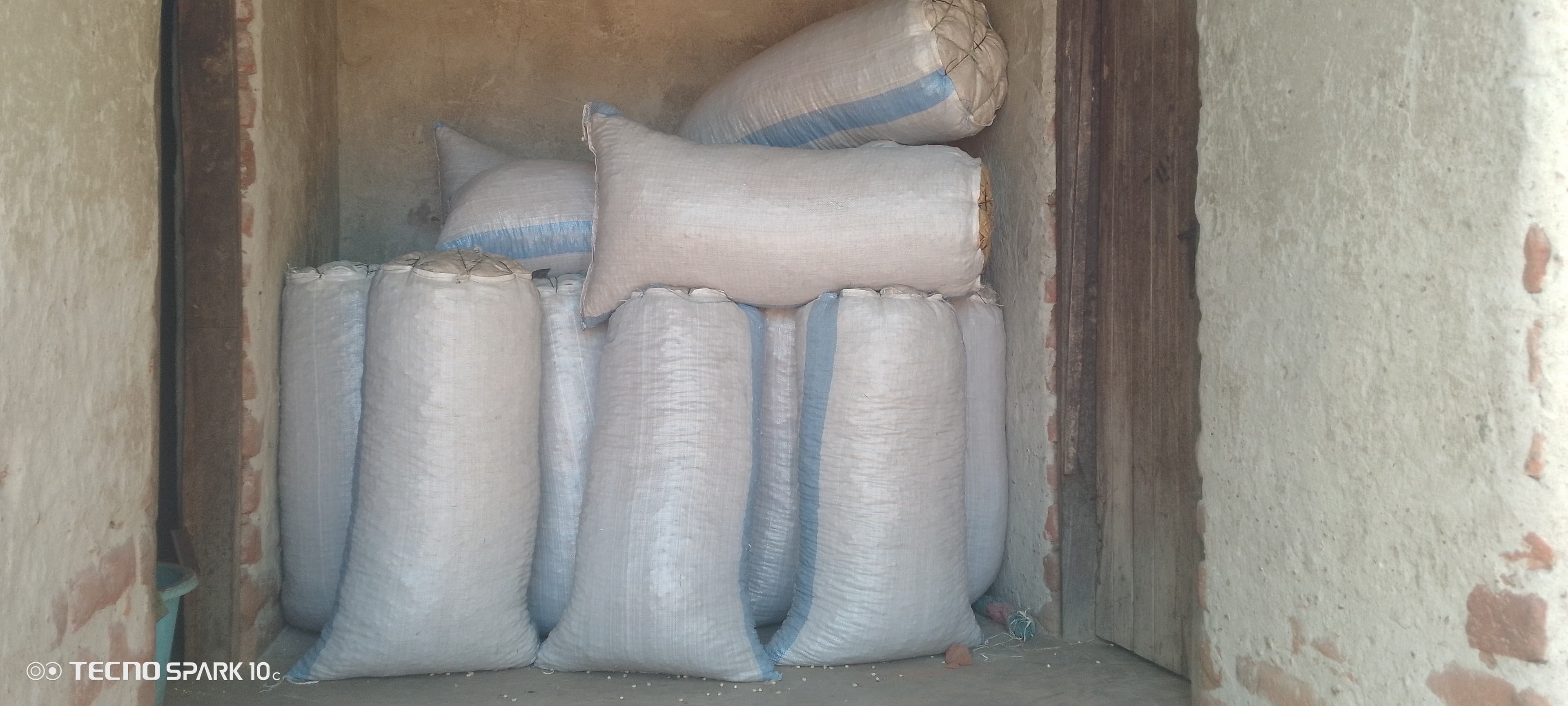
Season 1 · whole acre · verified 22 May 2026
1,380 kg
Maize
600 kg
Groundnut
250 kg
Pigeon pea

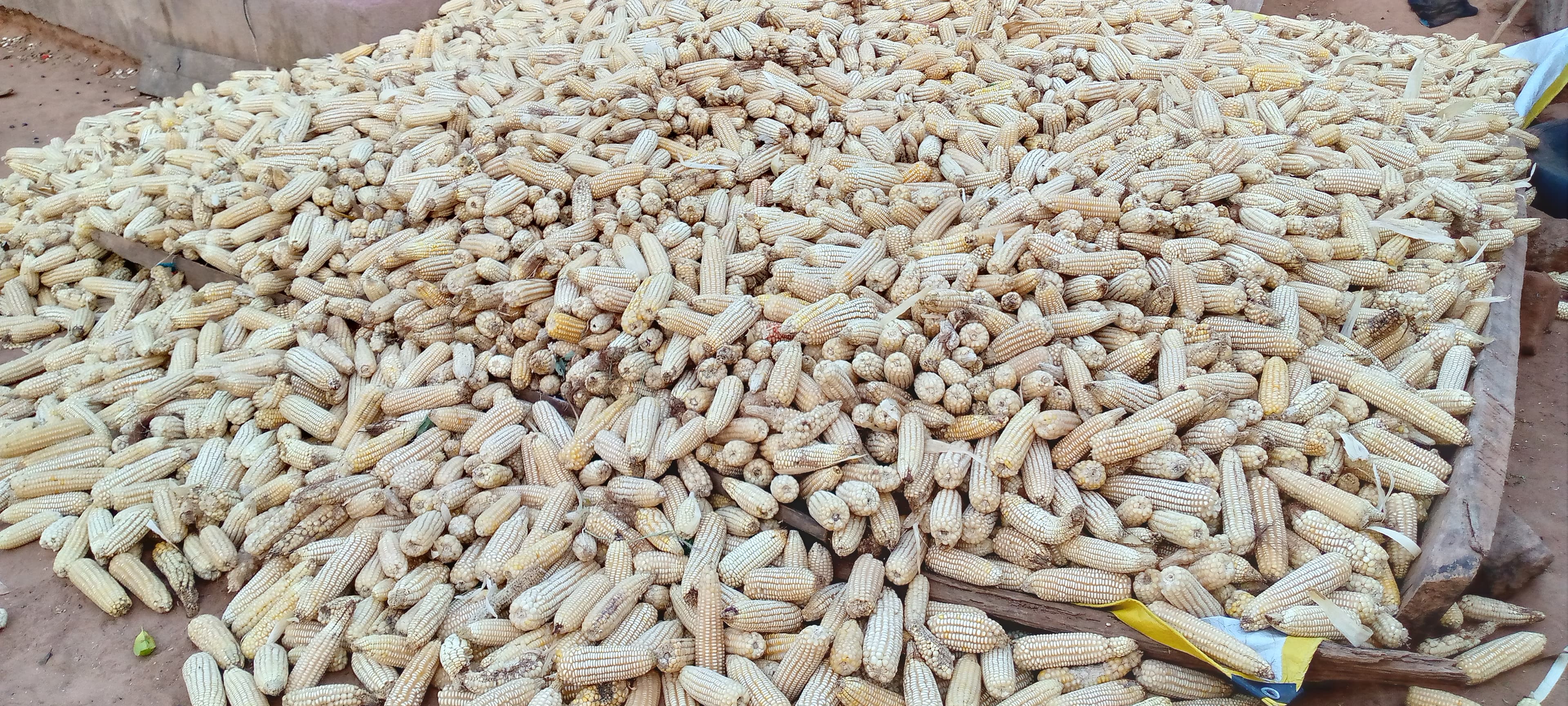
Maize came in at ~3.4 t/ha, about double Malawi's national average of ~1.7 t/ha. Every input was bought by Shabani and receipted.

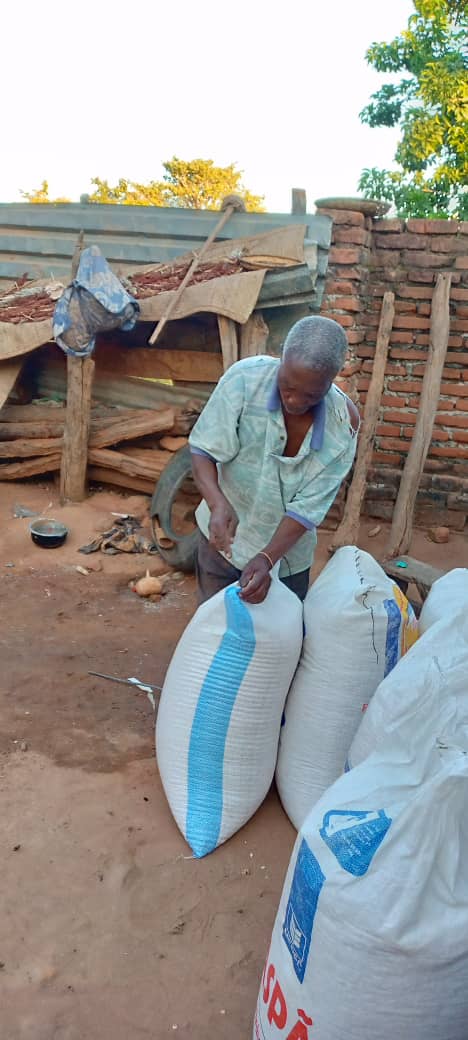
Shabani Kamphambe in his maize field

Shabani Kamphambe

Chiotcha Village, Mwanza District, Malawi

The farm

One acre of maize, groundnuts and pigeon peas. Last season's maize came in at 1,380 kg, about double Malawi's national average.

The family

His wife Ethel and their children run the farm day to day, and his parents and extended family all play a part. Local chiefs he works with, and hired workers, help with the harvest and keep an eye on things.

The goats

This year Shabani took work in Nsanje District, where goats are cheap and plentiful. He buys them there and brings them home to the farm in Mwanza. They browse the bush and eat the leaves left after harvest, and in time they'll give milk for the family.

Fertilizer from the farm

Fertilizer is the farm's most expensive input. A government agricultural officer is teaching Shabani to turn goat manure into organic fertilizer for the fields.

Every gift receipted

Every need he posts is real, and every purchase is receipted, in the fields and in the goat yard.

How FarmFund started →
How the farm works

Two halves that feed each other

  1. The goats browse the bush and keep the weeds down.
  2. Their manure cuts the farm's biggest cost: fertilizer.
  3. The fields grow maize, groundnuts and pigeon peas.
  4. Leaves and stalks left after harvest feed the goats.

In time, the goats give milk for the family, and each mother goat's first daughter goes on to start another family's herd.
From the field
All updates →